
Union County Warrant Channels
The first local warrant channel is Union County Magistrate Court. The county states that magistrates issue criminal arrest warrants and search warrants, conduct bail bond hearings twice daily, and hold preliminary hearings for General Sessions cases. That makes Magistrate Court the key starting point when the warrant may stem from a county-level summary criminal matter, an arrest warrant application, a bond issue, or a preliminary hearing tied to a higher criminal case.
The second channel is the Union County Sheriff's Office, which lists civil process and warrant links, a Most Wanted link, P3 tips, Crime Stoppers, and office contact information. The Sheriff's Office can be the practical phone fallback when an online page does not confirm status. The office is at 200 East Main Street, Union, SC 29379, phone 864-429-1612. The Magistrate Court is at 210 West Main Street, Union, SC 29379, phone 864-429-1648.
The official Sheriff page shows the local law-enforcement context for warrant questions.
The Union County Sheriff's Office page is the source for the county sheriff contact block, P3 tip link, and warrant-related navigation.
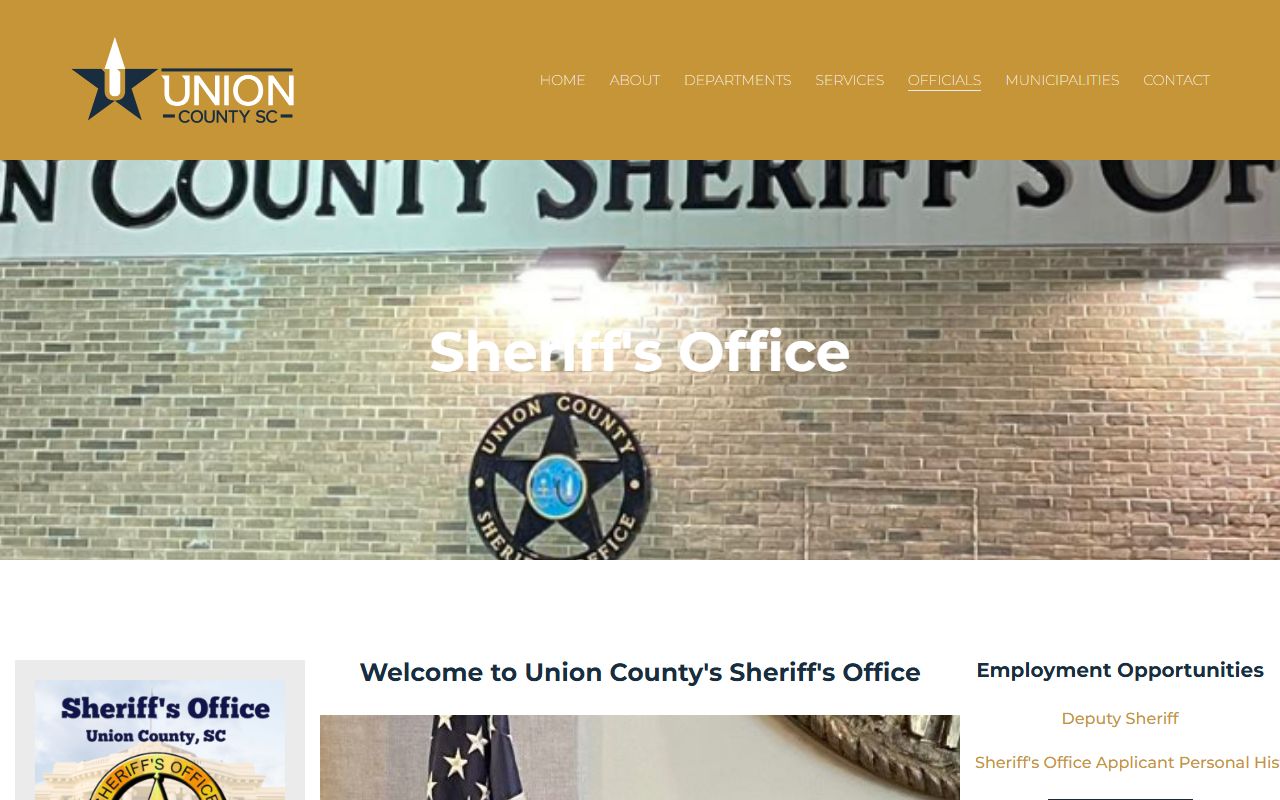
Use that office page as a contact source, but not as proof that a person has or does not have an active Union County warrant.
Municipal court is the third channel. City of Union Municipal Court can handle traffic, parking, speeding, and other municipal tickets at 215 Thompson Blvd., Union, SC 29379, phone 864-429-1713. Jonesville Municipal Court handles Jonesville matters at 131 North Main Street, Jonesville, SC 29353, phone 864-674-5746. A missed municipal court date can produce a bench warrant that may not appear in a county sheriff list.
Note: SLED CATCH is not a Union County warrant search because the research states wanted-person information is not included.
Union County Warrant Search Limits
The research found a warrant route in the official Zuercher portal bundle, but the Union-specific warrant initialization endpoint returned a 404 during inspection. For that reason, the route should be treated as an unconfirmed portal module, not as a verified public active-warrant list. The visible template fields are useful because they show how the portal could be structured, but they do not prove that Union County is publishing current warrant records through that page.
The Union County Zuercher warrant route was captured as a successful image source in the manifest, while the research warns that the underlying Union warrant init endpoint was not confirmed active.
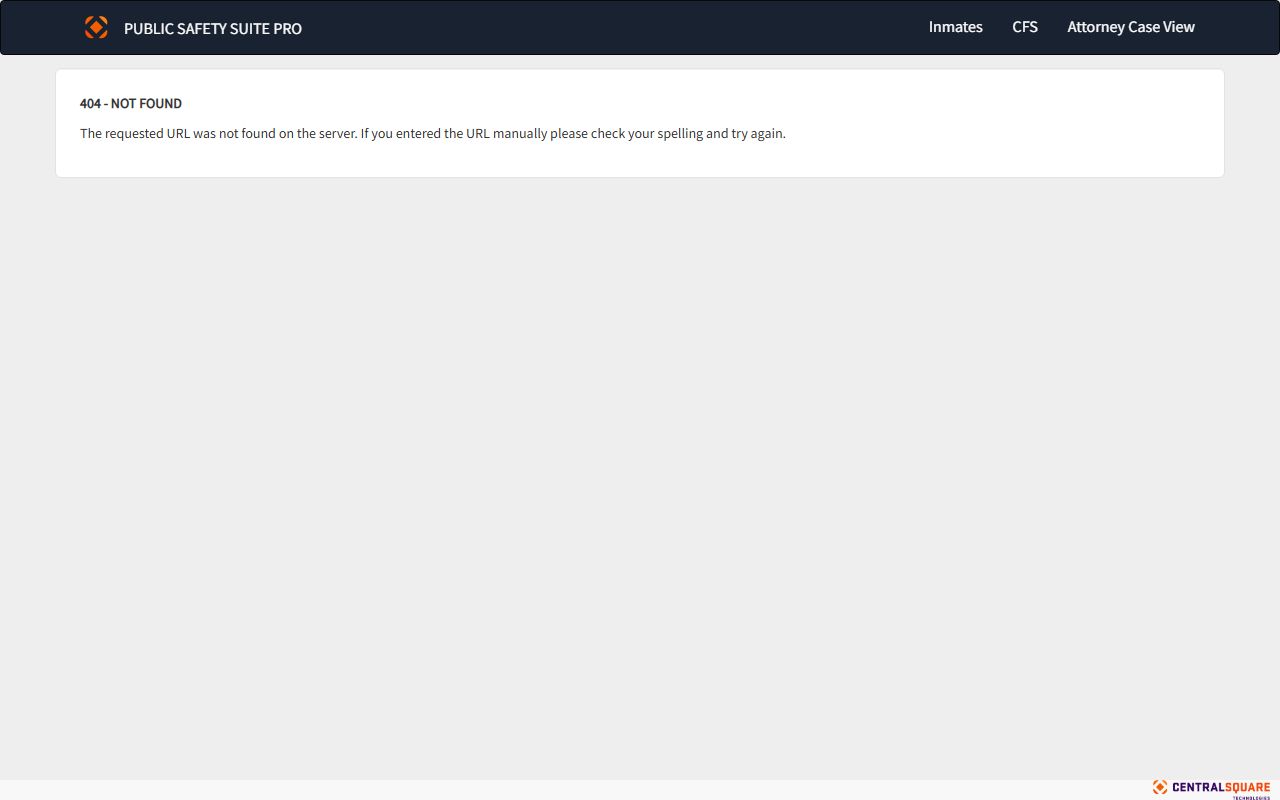
The practical result is simple: treat the portal as a possible lead, then confirm with Magistrate Court, Municipal Court, or the Sheriff's Office before relying on it.
| Field Label | Type | Required | Options / Format Notes |
|---|---|---|---|
| Name | Text | Required if search criteria are active | Template marks the name field required when criteria are required. |
| Race | Dropdown | Required if search criteria are active | Uses the portal race control model. |
| Sex | Dropdown | Required if search criteria are active | Uses the portal sex control model. |
| Date Issued | Date range | Optional | Template includes a default preset for today. |
| DOB or Age Range | Date or numeric | Optional | Controlled by the page date-of-birth format setting. |
| Bond Amount | Money | Optional | Money input shown in the template. |
| Charge | Text | Required if search criteria are active | Searches charge text in the template. |
| Buttons | Buttons | n/a | Search and Reset. |
Union County Warrant Record Fields
A warrant result, when available from a court or portal, is narrower than a full criminal case file. It points to the person, warrant date, charge, and bond or comments that help the court or law-enforcement office identify the matter. It may not show the full arrest report, prosecutor notes, witness material, or final case outcome. If a warrant later becomes part of a criminal prosecution, the full case activity is tracked in Union County criminal court records.
| Field | What It Shows |
|---|---|
| Name | The person identified in the warrant template or court record. |
| Race and Sex | Basic descriptors used to help distinguish people with similar names. |
| Date Issued | The date the judge or court issued the warrant, when shown. |
| DOB or Age | Date of birth or age depending on the portal setting. |
| Bond Amount | Bond information if the warrant or court record exposes it. |
| Charge | The charge or violation tied to the warrant. |
| Comments | Extra information if the system has comments enabled for that record. |
Case context may also appear in the Union County Public Index or the Union County Court Rosters. Those tools can show filings, rosters, or scheduled appearances, but the research warns that they should not be treated as a complete active-warrant database. A person can have a pending court case without an active warrant, and a bench warrant may exist before an online case detail reflects it.
Union County Warrant Types
Warrant labels matter because each one points to a different issuing authority and a different next step. Union County Magistrate Court is central for arrest and search warrants. Municipal Court is important for city tickets and ordinances. Circuit Court or General Sessions context may matter when a felony prosecution has already started. Family Court or child-support issues may use separate restricted channels and party access rules.
- Arrest warrant
- Judicial authorization to arrest a person, often issued after law enforcement presents facts to a magistrate.
- Bench warrant
- A judge-issued warrant, often tied to failure to appear, contempt, or missed payment or court duties.
- Search warrant
- Judicial authorization to search a place or property. It is not the same as a public arrest-warrant listing.
- Fugitive or hold
- A custody hold can involve another agency or court and should be confirmed with the jail or issuing agency.
- Family or child-support warrant
- May involve restricted Family Court information and should be handled through the court office or counsel.
Resolve a Union County Warrant
An outstanding warrant should be handled through the court or agency that issued it. Do not rely on a name search alone. Call the issuing court, the Sheriff's Office, or the municipal court listed on the citation or case notice. Ask what type of warrant is involved, whether bond can be posted, where surrender or appearance must occur, and whether the matter is tied to a missed date, unpaid ticket, General Sessions charge, Family Court matter, or civil process.
- Call Union County Magistrate Court at 864-429-1648 for county warrant, bond, preliminary-hearing, or summary court questions.
- Call the Union County Sheriff's Office at 864-429-1612 when the agency, civil process, or Most Wanted context points there.
- Call City of Union Municipal Court at 864-429-1713 for city ticket, parking, speeding, ordinance, or municipal bench-warrant questions.
- Identify whether the warrant is arrest, bench, search, fugitive, family, child-support, or civil-process related.
- Ask whether bond is available and where it must be posted, such as Detention Center, Magistrate or Bond Court, Municipal Court, or Clerk channels.
- If the warrant came from a missed court date, ask about a recall order, a new appearance date, or an required in-person appearance.
- For criminal warrants, speak with defense counsel or the Public Defender if eligible before appearing.
Important: A confirmed warrant can lead to arrest, so legal advice is prudent before voluntary surrender or court appearance.
Union County P3 Tips
P3 Tips and Crime Stoppers are tip channels, not a way to clear your own Union County warrant. The Sheriff's Office links P3Intel and gives Crime Stoppers as 1-888-CRIME-SC / 1-888-274-6372. The app can support anonymous tips, two-way dialog, and image or video upload. Store pages also describe wanted fugitives, missing persons, and unsolved-crime features. The research did not confirm an app-only Union County inmate lookup, warrant search, or records request feature.
The Google Play P3 Tips listing documents the anonymous tip app connected to Crime Stoppers and law-enforcement tip workflows.
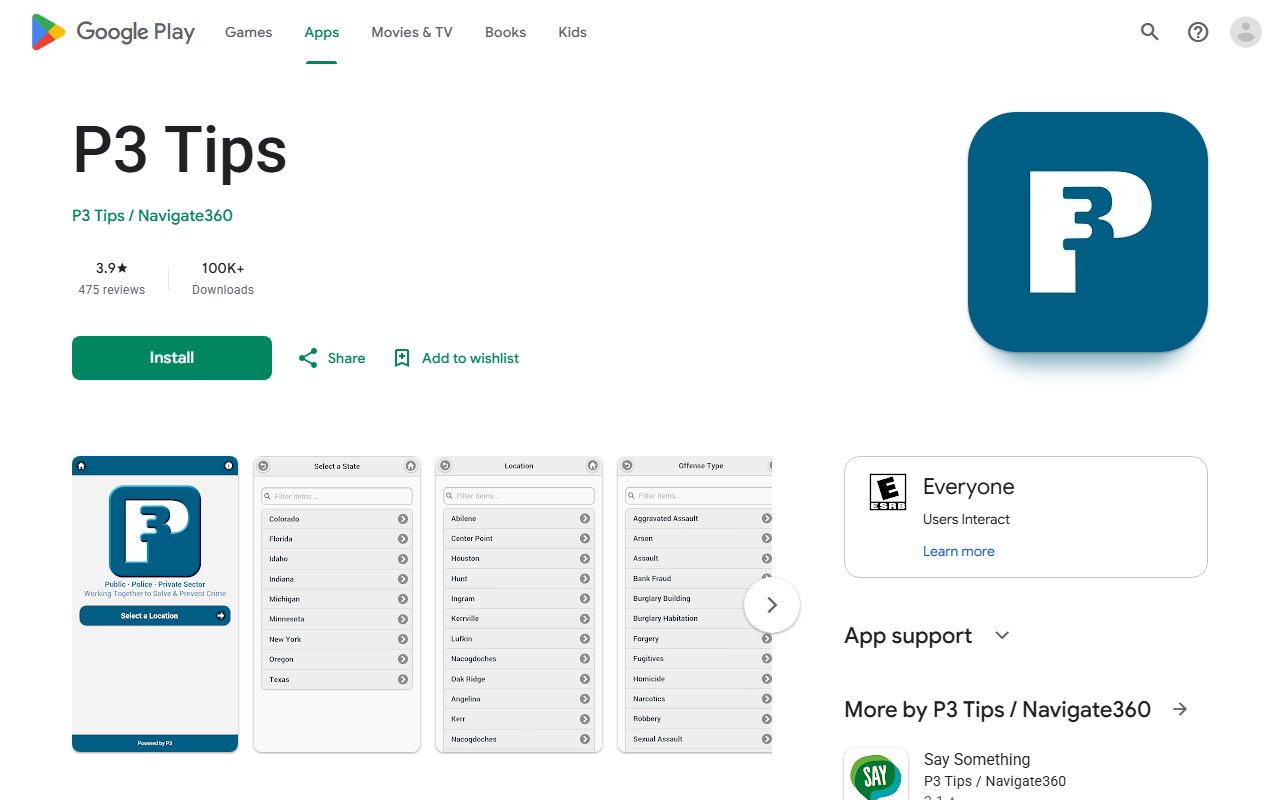
P3 is best used to send information about crimes or wanted persons, while warrant status and surrender questions should go to the court or Sheriff's Office.
VINELink South Carolina is another notice channel for custody and criminal-case information in South Carolina.
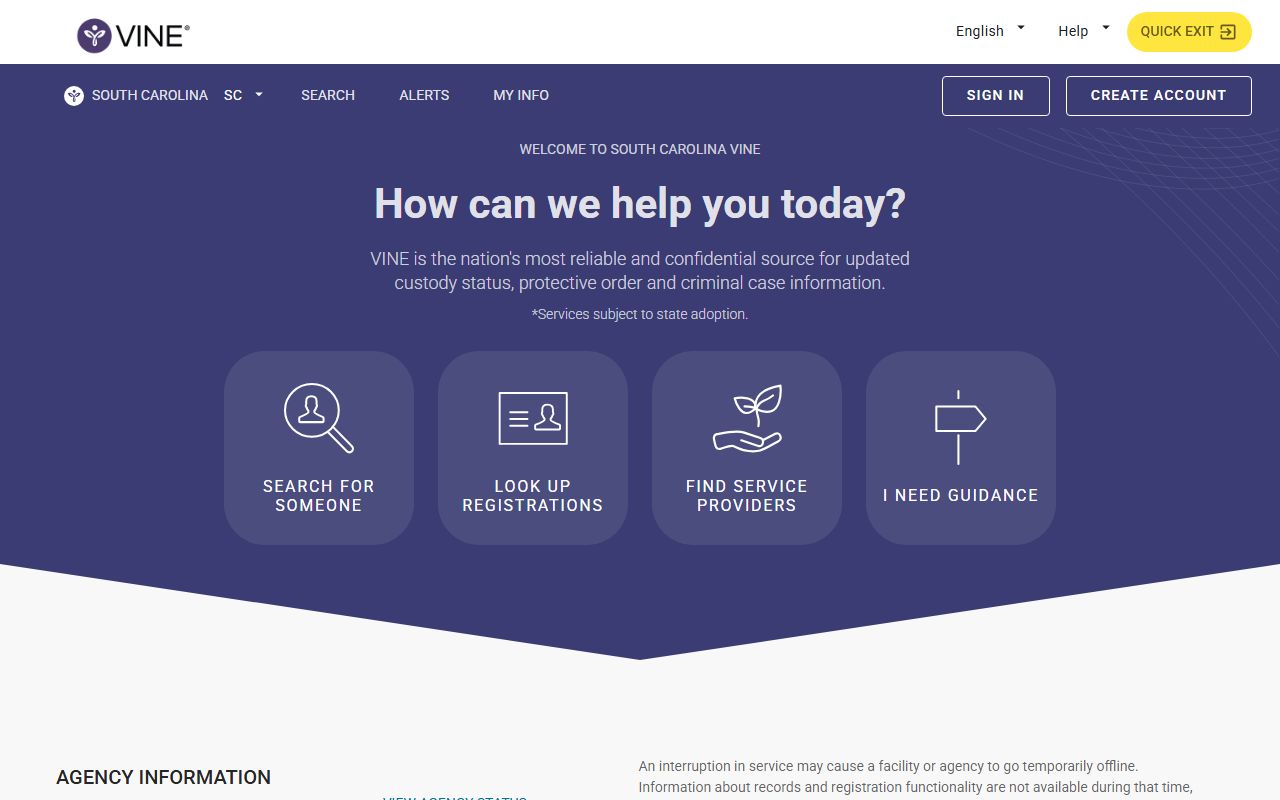
VINELink can help with custody or notification awareness, but it is not a substitute for confirming a Union County warrant with the issuing court.
Restricted Union County Warrants
Not every warrant-related record is public. Search warrants can remain sensitive while an investigation is active. Juvenile matters are not ordinary public case records. Family Court and child-support files can have party limits. Sealed or expunged criminal records should not be expected to appear in public search systems. Mental-health and chemical-dependency commitments handled through Probate Court are sensitive and should not be treated as ordinary public warrant data.
South Carolina public-record access is shaped by Title 30, Chapter 4 of the South Carolina Code, but the public-record law does not override sealed records, juvenile confidentiality, expungement orders, or court-specific access rules. When a record is missing from a public search, the right next step is not to assume there is no warrant. Contact the court that would have issued it.